The Ultimate Guide on how fire doors work and save lives in Hyderabad
Urban infrastructure is expanding at an unprecedented rate, bringing new corporate towers, retail spaces, and industrial hubs to the forefront of our daily lives. With this rapid architectural growth comes a critical responsibility for business owners and facility managers to protect human life and valuable assets. Unfortunately, the unseen elements of building safety are often overlooked until a tragedy strikes. Among the most vital components of passive fire protection, specially engineered doors play a monumental role. Understanding how fire doors work and save lives in Hyderabad is the first step toward creating a secure environment for employees, customers, and building residents.
When a fire breaks out in a commercial or residential complex, the flames are not the only threat. Toxic smoke, extreme heat, and oxygen depletion can spread rapidly through hallways and stairwells, cutting off escape routes in a matter of minutes. Ordinary wooden or glass doors offer zero resistance to these deadly elements. In contrast, purpose built passive protection systems are designed specifically to contain the hazard, compartment the building, and provide safe passage for evacuation. This comprehensive guide will explore the mechanics behind these safety barriers, the importance of adhering to local regulations, and the practical steps required to maintain a secure facility.
The Foundation of Passive Fire Protection
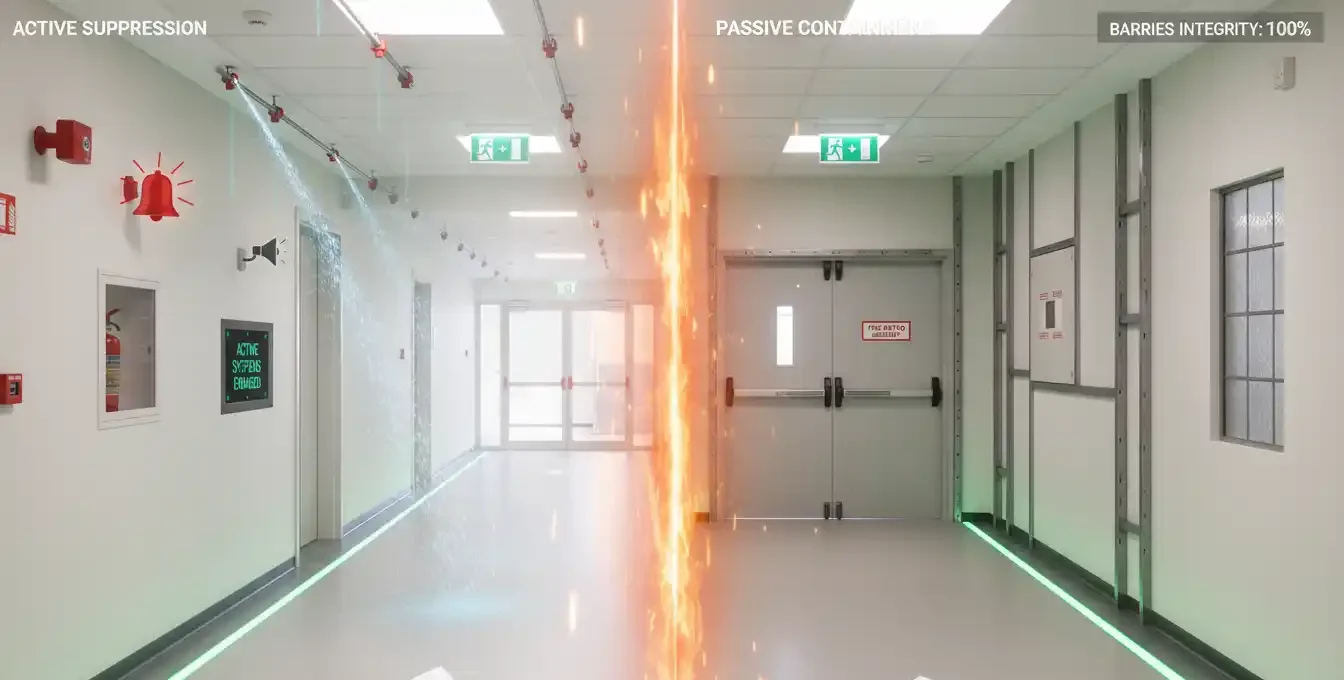
Fire safety in any modern building is divided into two distinct categories known as active and passive protection. Active systems are designed to detect and extinguish the fire automatically. These include smoke alarms, water sprinklers, and manual fire extinguishers. While these systems are highly visible and critically important, they require maintenance, water supply, and power to function effectively. You can learn more about active systems through dedicated Fire Extinguishers Services.
Passive fire protection operates entirely differently. It is built directly into the structure of the building and requires no activation, electricity, or human intervention to perform its duty. The primary goal of a passive system is to contain the fire at its point of origin and prevent it from spreading to other rooms or floors. This strategy relies heavily on fire resistant walls, floors, and specialized doors.
By dividing a massive building into smaller manageable sections, passive systems limit the amount of oxygen available to the fire. More importantly, this containment gives emergency services the crucial time they need to arrive on the scene and conduct rescue operations. A building that lacks these fundamental barriers will succumb to structural failure and widespread damage much faster than one equipped with proper containment measures.

The Complex Anatomy of a Fire Door
To the untrained eye, these barriers might look exactly like any other heavy duty door in a corridor. However, their internal construction is a marvel of safety engineering. Every single component, from the core material to the hinges, is rigorously tested to withstand extreme temperatures for a specified duration, typically ranging from 30 to 120 minutes.
The core is usually constructed from solid timber, steel, gypsum, or composite materials that do not easily combust. Surrounding this core is the most fascinating and critical component of the entire system, known as the intumescent seal. When exposed to temperatures exceeding 200 degrees Celsius, this chemical strip chemically reacts and expands to multiple times its original size. This expansion effectively seals the microscopic gaps between the door and the frame, creating an airtight barrier.
Smoke is responsible for the majority of fatalities during a building emergency. Because toxic gases can slip through the tiniest crevices, cold smoke brushes are often integrated into the frame alongside the intumescent strips. This combination ensures that neither hot flames nor poisonous fumes can bypass the barrier. Furthermore, the hardware used, including heavy duty hinges, self closing mechanisms, and heat resistant handles, must all meet strict certification standards to guarantee they will not warp or melt under pressure.
Life Saving Mechanics and Compartmentation
The core philosophy behind these physical barriers is a concept known as compartmentation. Imagine a submarine with watertight doors that seal off a flooded section to save the rest of the vessel. Buildings operate on the exact same principle during a fire emergency. By shutting securely, these specialized panels trap the fire inside a single designated compartment.
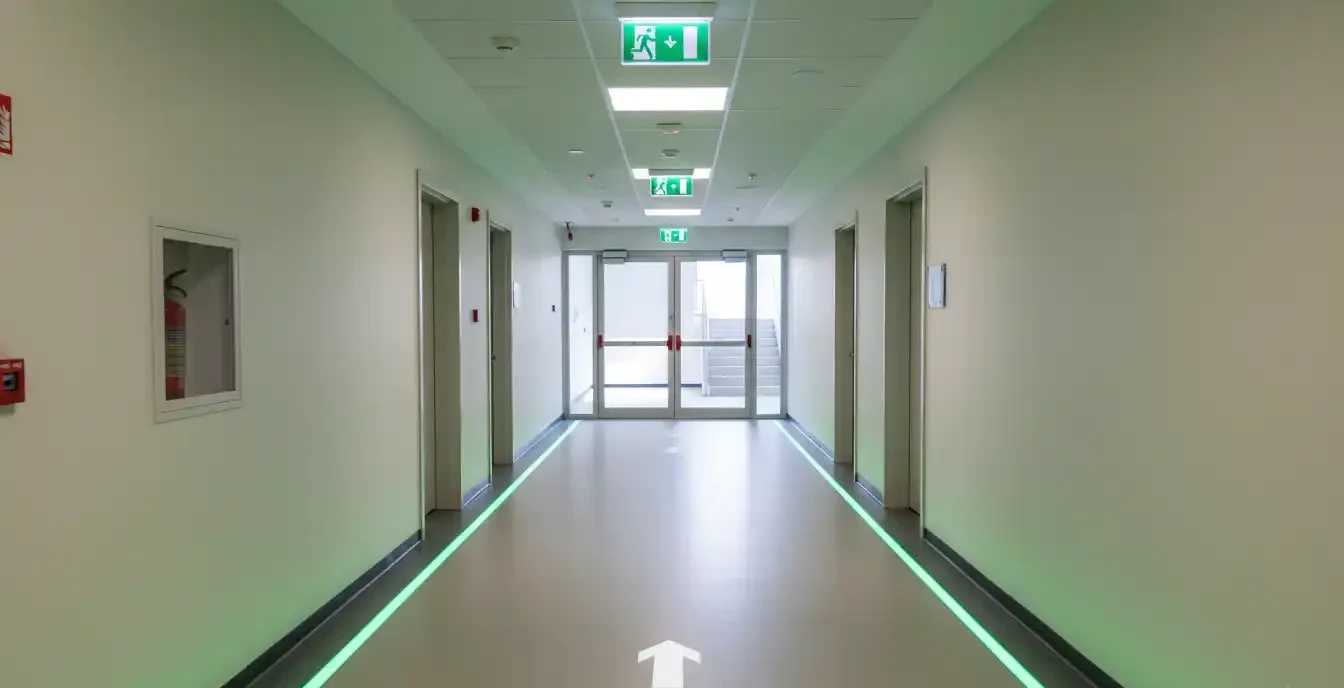
This localized containment achieves several life saving goals. First, it chokes the fire by limiting its access to fresh oxygen. Second, it protects the structural integrity of the rest of the building, preventing catastrophic roof or floor collapses. Third, and most importantly, it keeps the designated escape routes, such as stairwells and main corridors, completely free of blinding smoke and intense heat.
Evacuation psychology shows that panic increases dramatically when visibility is reduced by smoke. By maintaining clear and breathable air in the stairwells, occupants can calmly and safely exit the premises. Recognizing these psychological and physical benefits highlights why securing commercial fire door installation services in Hyderabad is a non negotiable investment for any responsible business owner or property developer.
Meeting Local Standards Across the City
The dynamic business landscape in our region demands strict adherence to safety protocols. As multinational corporations set up massive campuses in tech hubs like Hitech City and Madhapur, the concentration of human resources in high rise structures reaches peak levels. Facility managers in these areas understand that a single technical failure during an emergency can lead to devastating consequences.
However, safety is not exclusively a corporate concern. Bustling retail districts and densely populated commercial zones in Dilsukhnagar and Kukatpally face their own unique challenges. Mixed use buildings, where retail shops sit below residential apartments, require meticulous planning to ensure that a hazard originating in a restaurant kitchen does not spread to the sleeping quarters above. Likewise, commercial warehouses and manufacturing units operating near LB Nagar must implement heavy duty industrial barriers to protect their inventory and staff.
To standardize these safety measures, local authorities and the National Building Code of India mandate specific requirements. Navigating these legal requirements is complex, which is why business owners must prioritize fire safety compliance for buildings in Hyderabad. This involves regular audits from the local fire department and ensuring that all containment systems possess valid certification labels. Partnering with experts to handle your fire & safety permissions is the most efficient way to ensure your property remains legally compliant and adequately protected.
Crucial Installation and Maintenance Protocols
Purchasing top tier safety equipment is only half the battle. If a containment barrier is installed incorrectly, it will fail completely when exposed to intense heat. An improper gap of just a few millimeters between the frame and the floor can render the entire system useless, allowing toxic smoke to flood the escape routes.
Furthermore, these barriers suffer from daily wear and tear. Because they are often placed in high traffic corridors in areas like Gachibowli office parks, their self closing mechanisms can become misaligned. More concerning is the dangerous human habit of wedging these heavy doors open with a block of wood or a fire extinguisher for convenience. An open door provides zero protection during an emergency.
This reality underscores the absolute necessity of ongoing maintenance. You must align your facility management strategy with emergency fire exit door regulations in Hyderabad by scheduling routine audits. Only certified technicians should perform professional fire door inspection in Hyderabad to evaluate the hinges, check the integrity of the intumescent seals, and test the self latching hardware. Trusted authorities like the National Fire Protection Association (NFPA) provide extensive guidelines on the vital importance of keeping these life saving barriers closed, unobstructed, and regularly maintained.
Frequently Asked Questions
What happens if a fire door is left wedged open?
How often should these containment barriers be inspected?
Can I install standard glass in these specific doors?
Are passive protection systems required for small businesses?
Conclusion
Protecting human life should always be the highest priority for any property owner or business manager. While active systems like alarms and sprinklers are essential for alerting occupants and suppressing flames, passive systems form the unbreakable backbone of your building safety infrastructure. By understanding the intricate engineering behind intumescent seals, smoke brushes, and structural compartmentation, you empower yourself to make informed decisions about your facility architecture.
Do not wait for an inspection failure or a catastrophic emergency to evaluate your safety measures. Regular audits, professional installation, and strict adherence to local regulations ensure that your commercial space remains a safe haven for everyone inside. By maintaining these silent guardians properly, you are actively investing in the preservation of life and the long term security of your enterprise.
Protect Your Property and Save Lives Today
Never compromise on life safety. Partner with the certified experts at Divagni to ensure your building is fully compliant, protected, and prepared for any emergency.
- 📞 Phone: +91 9885343437
- 📧 Email: info@divagni.in
- 📍 Location: LB Nagar, Hyderabad