The comprehensive guide to fire hoses and hose reels in Hyderabad
Fire emergencies can strike at any moment without warning. For commercial building owners, facility managers, and startup founders, being fully prepared is not simply a legal obligation; it is a fundamental responsibility to protect human life and valuable assets. When a fire breaks out, the first few minutes are absolutely critical. Having the correct suppression tools readily available can mean the difference between a minor incident and a catastrophic loss. To help you navigate the complex landscape of building safety, we have created this comprehensive guide to fire hoses and hose reels in Hyderabad. This resource will provide you with the essential knowledge needed to secure your premises.
Whether you manage a sprawling industrial warehouse or a modern corporate office, understanding your primary firefighting equipment is the foundation of total security. Many business owners assume that installing basic extinguishers is enough. However, for larger commercial spaces, water-based suppression systems like hoses and reels offer continuous, high-volume firefighting capabilities that hand-held devices simply cannot match. Let us dive deep into how these vital systems work, how they are installed, and how they must be maintained to comply with regional safety standards.
Understanding the Basics of Water-Based Fire Suppression
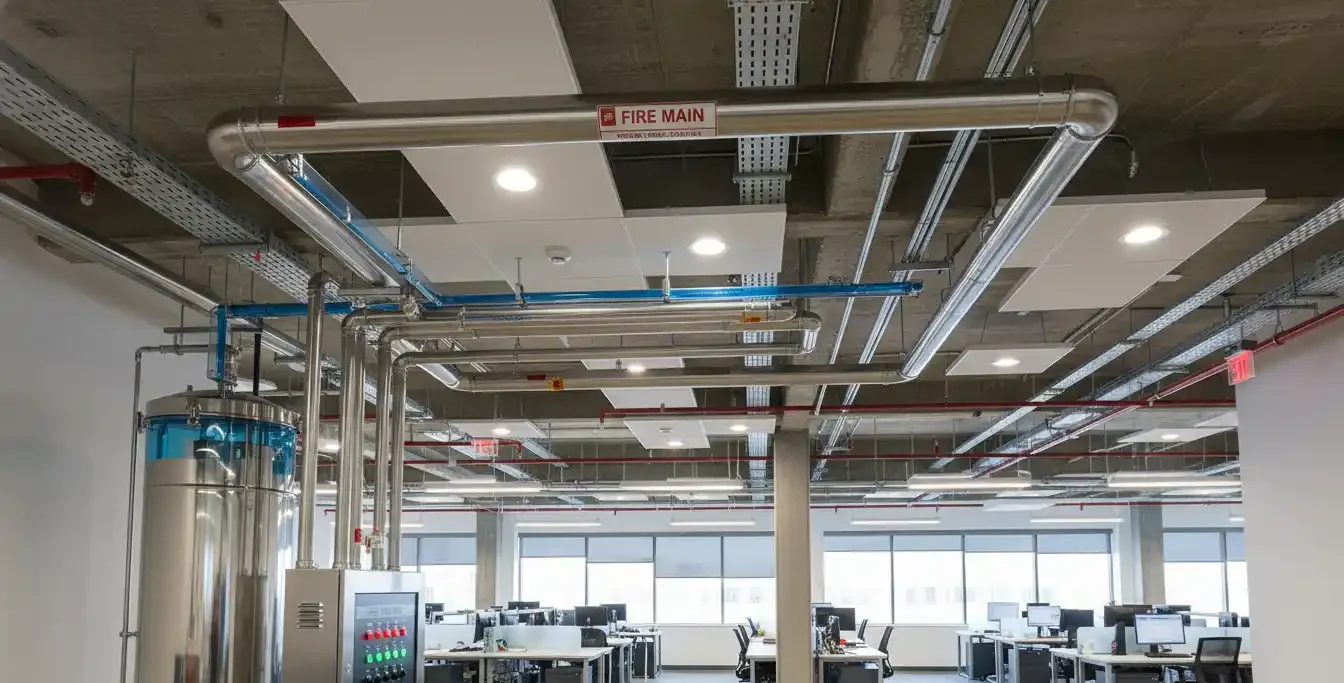
Water has been the primary agent for fire suppression for centuries. Its ability to absorb massive amounts of heat makes it incredibly effective at cooling down combustible materials and extinguishing flames. In commercial buildings, a continuous supply of water is delivered through a network of pressurized pipes. This system feeds into your hydrants, sprinkler systems, and manual intervention tools like hoses and reels.
According to the National Fire Protection Association (NFPA), manual firefighting equipment is a vital secondary defense line if automatic systems fail or are overwhelmed. Facility managers must ensure that occupants have immediate access to these manual tools. This is especially true in densely populated tech corridors where rapid evacuation and immediate initial response are necessary to prevent rapid fire spread.
Key Differences Between Fire Hoses and Hose Reels
While people often use the terms interchangeably, fire hoses and hose reels serve different purposes and require different levels of training to operate safely. Understanding this distinction is vital for commercial safety planning.
Fire Hose Reels
Hose reels are designed specifically for use by the regular occupants of a building. They consist of a rigid, non-kinking tubing that is permanently connected to the building’s main water supply. Because the tubing retains its shape, the water can flow through it even if the hose is only partially unrolled. This design allows an untrained employee to quickly grab the nozzle, turn on the valve, and direct a steady stream of water at the base of a localized fire.
Lay-Flat Fire Hoses
Conversely, traditional fire hoses are “lay-flat” hoses. These are typically stored in glass-fronted cabinets connected to a hydrant valve. They are primarily designed for use by trained professional firefighters or certified internal emergency response teams. A lay-flat hose must be completely unrolled before the water supply is activated; otherwise, the water pressure will cause the hose to kink and fail. These hoses deliver a significantly higher volume and pressure of water, making them suitable for larger, more aggressive fires.
Types of Equipment Used in Commercial Spaces
Selecting the correct type of suppression tool depends heavily on the nature of your business and the specific hazards present in your facility. For instance, creating reliable fire hose systems for businesses in Hitech City requires addressing the unique challenges of high-rise IT parks, where water pressure must be maintained across multiple elevated floors.
- Standard Water Hose Reels: The most common type found in office buildings and shopping malls. They typically come in 19mm or 25mm diameters and reach lengths of up to 36 meters.
- Foam Hose Reels: Used in industrial settings where flammable liquids are present. These reels mix a foam concentrate with water to blanket chemical fires.
- Synthetic Rubber Hoses: Highly durable lay-flat hoses used in manufacturing plants. They resist harsh chemicals, abrasion, and extreme temperatures.
Installation and Compliance Standards
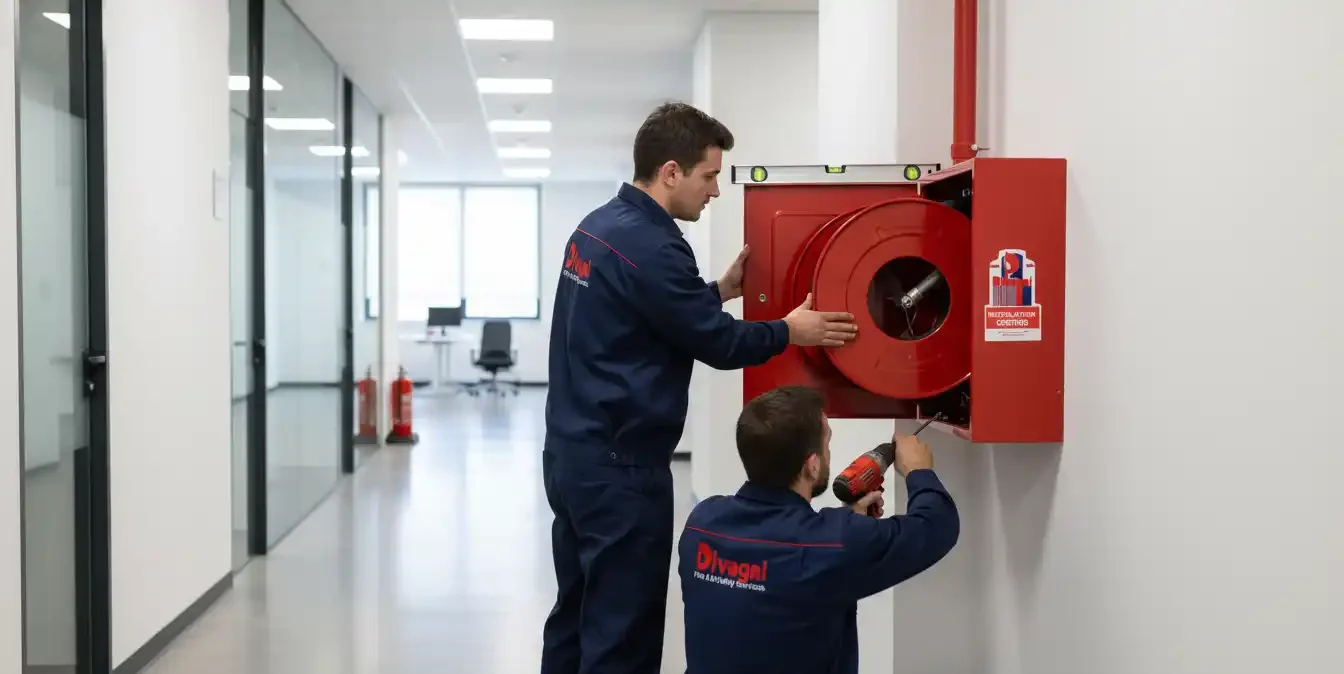
Procuring high-quality equipment is only half the battle. How and where that equipment is installed dictates its effectiveness during a crisis. Implementing proper commercial fire hose reel installation services in Hyderabad involves strict adherence to the National Building Code of India and local municipal regulations. Equipment must be strategically placed so that every square meter of a floor plan is within reach of a water stream.
When planning an installation in rapidly growing commercial areas like Madhapur and Gachibowli, businesses must work closely with certified engineers. The installation process includes calculating hydraulic pressure, ensuring unobstructed access corridors, and applying appropriate signage. Furthermore, proper installation is a mandatory prerequisite for acquiring necessary fire & safety permissions from the local authorities. Failing to install these systems correctly can lead to severe legal penalties and the immediate closure of the premises.
Step-by-Step Operating Procedures
Having state-of-the-art equipment is useless if your staff does not know how to operate it safely. We highly recommend conducting routine training drills. Here is a basic operational sequence for a standard hose reel that you can incorporate into your employee handbook:
- Assess the Situation: Ensure the fire is small and contained. Never attempt to fight a fire that is spreading rapidly or blocking your exit path.
- Alert Others: Always activate the building’s fire alarm system before attempting to suppress the flames.
- Open the Valve: Turn the main stop valve to the fully open position. This is usually located right next to the reel mechanism.
- Unwind the Hose: Pull the nozzle toward the fire. Remember, a reel does not need to be fully unrolled to function.
- Direct the Stream: Twist or squeeze the nozzle to release the water. Aim directly at the base of the fire and use a sweeping motion from side to side.
Crucial Maintenance and Inspection Protocols
Fire safety equipment is prone to degradation over time. Rubber gaskets dry out, metal valves corrode, and pipes can develop blockages. Consistent, documented maintenance is not optional. For business owners in older commercial districts, scheduling routine emergency fire fighting hose maintenance in Dilsukhnagar is essential to prevent system failure during a critical moment.
A comprehensive maintenance protocol should include:
- Monthly Visual Inspections: Check that the reel is unobstructed, the nozzle is securely attached, and there are no visible leaks or physical damage.
- Annual Flow Testing: A professional technician must fully unroll the hose, check the water pressure, and ensure the nozzle operates smoothly.
- Hydrostatic Testing: Every few years, lay-flat hoses must be subjected to high-pressure testing to ensure the fabric has not weakened.
Partnering with a dedicated agency for your broader fire & safety Services ensures that nothing is overlooked and your business remains fully compliant year-round.
Choosing the Right Safety Partner
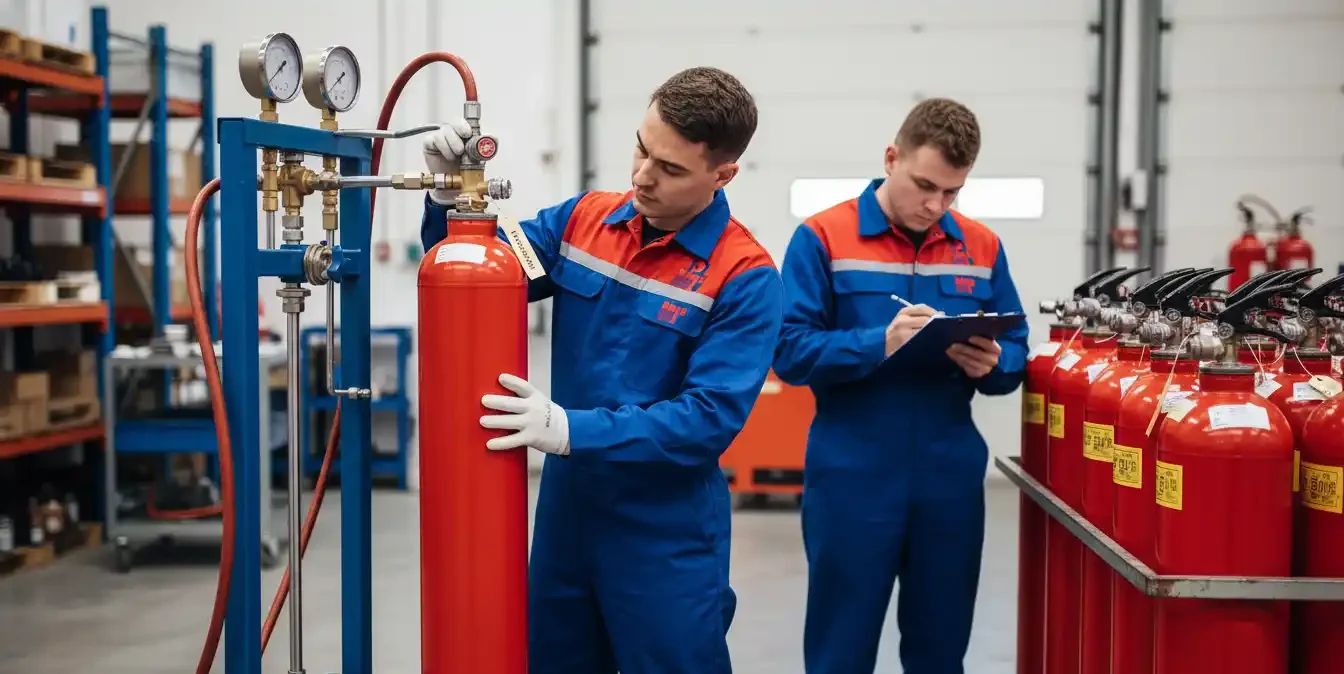
To guarantee the integrity of your emergency response systems, you must source your materials from reputable organizations. Working with the best fire safety equipment suppliers in Telangana ensures that all your reels, hoses, and nozzles meet the stringent guidelines set by the Bureau of Indian Standards (BIS).
Whether your business is located in the bustling commercial center of LB Nagar or the residential-commercial mix of Kukatpally, local expertise matters. A localized supplier understands the specific municipal requirements, the typical water pressure available in different zones, and the average response times of local fire brigades. This holistic approach is crucial. You should also ensure your chosen partner can provide supplementary equipment, integrating your water-based systems with comprehensive Fire Extinguishers Services for complete facility protection.
Frequently Asked Questions
What is the required length for a fire hose in a commercial building?
Can I use a fire hose reel on an electrical fire?
How often should a professional inspect our building’s hose reels?
Why does a lay-flat hose need to be completely unrolled before use?
Conclusion
Investing in high-quality firefighting equipment is an investment in the longevity and security of your business. As we have explored in this comprehensive guide to fire hoses and hose reels in Hyderabad, understanding the technical differences, ensuring professional installation, and committing to rigorous maintenance schedules are non-negotiable elements of commercial safety. A swift response using well-maintained equipment drastically reduces property damage and saves lives. Do not wait for a tragedy to evaluate your building’s preparedness. Take proactive steps today to assess your current systems, train your personnel, and upgrade your infrastructure where necessary.
Secure Your Business from Fire Hazards Today
Protecting your assets and employees requires professional expertise. Partner with Divagni for industry-leading fire and safety solutions tailored to your commercial space.
- Phone: +91 9885343437
- Email: info@divagni.in
- Location: LB Nagar, Hyderabad