The Importance of the Best Fire Hydrant Systems for High-Rise Buildings in Hyderabad
The skyline of Telangana is transforming at an unprecedented rate. With rapid urban development pushing architectural boundaries, vertical living and towering commercial spaces have become the new normal. However, this vertical expansion brings a significant challenge for property developers and facility managers, which is ensuring absolute occupant safety during a fire emergency. When a structural fire occurs dozens of floors above ground level, municipal fire engines face immense physical limitations. This is exactly why investing in the best fire hydrant systems for high-rise buildings in Hyderabad is no longer just a regulatory formality, but a fundamental necessity to save lives and protect massive infrastructure investments.
A building’s internal water distribution network acts as the first and most robust line of defense against rapidly spreading flames. Without a properly engineered hydrant system, a minor localized incident can quickly escalate into a catastrophic loss. This comprehensive guide will explore the technical mechanics, legal compliance standards, and maintenance requirements associated with high-altitude fire safety. Whether you are managing an IT park or constructing a premium residential skyscraper, understanding these core safety principles will empower you to make highly informed decisions regarding your property’s emergency preparedness.
Understanding Vertical Fire Risks and Water Pressure Challenges
Fighting a fire in a three story complex is vastly different from extinguishing a blaze on the thirtieth floor of a modern skyscraper. The fundamental enemy of high-rise fire safety is gravity. Municipal fire department pumps have limited capacities and cannot push thousands of gallons of water vertically without assistance. To combat this physical limitation, skyscrapers require dedicated internal pressurized networks known as wet risers and dry risers.
Wet risers are permanently charged with pressurized water, ensuring that opening a landing valve on any floor instantly releases a powerful stream. Dry risers remain empty until the fire brigade connects their vehicles to an inlet at the ground level, pumping water up to the necessary floors. In rapidly growing residential corridors, property buyers specifically look for reliable high-rise building fire safety solutions in Kukatpally that seamlessly integrate these advanced vertical pressurized systems.
Key Statistics on High-Rise Fire Safety
- According to global safety analyses by the National Fire Protection Association (NFPA), properly functioning internal hydrant systems reduce the rate of severe property damage by up to 80 percent.
- More than 60 percent of major commercial fires are successfully contained by internal building networks before municipal trucks even arrive on the scene.
- A standard high-rise landing valve must deliver a minimum water pressure of 3.5 bar to effectively penetrate intense thermal updrafts.
Core Components of an Effective Hydrant Network
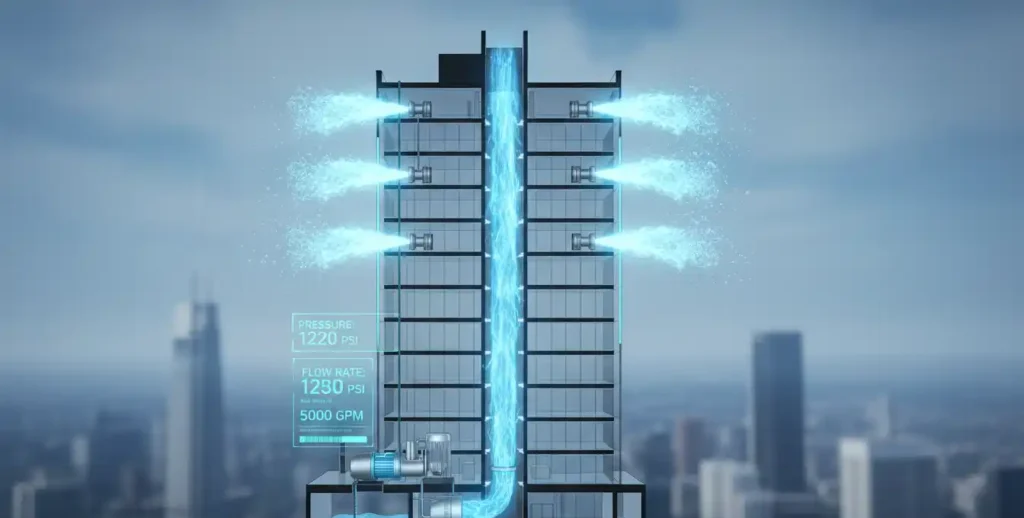
An internal hydrant setup is a complex symphony of mechanical engineering and fluid dynamics. To function perfectly during an unpredictable emergency, several distinct components must operate flawlessly in unison. Understanding these elements helps building owners appreciate the value of professional engineering.
The Fire Pump Room
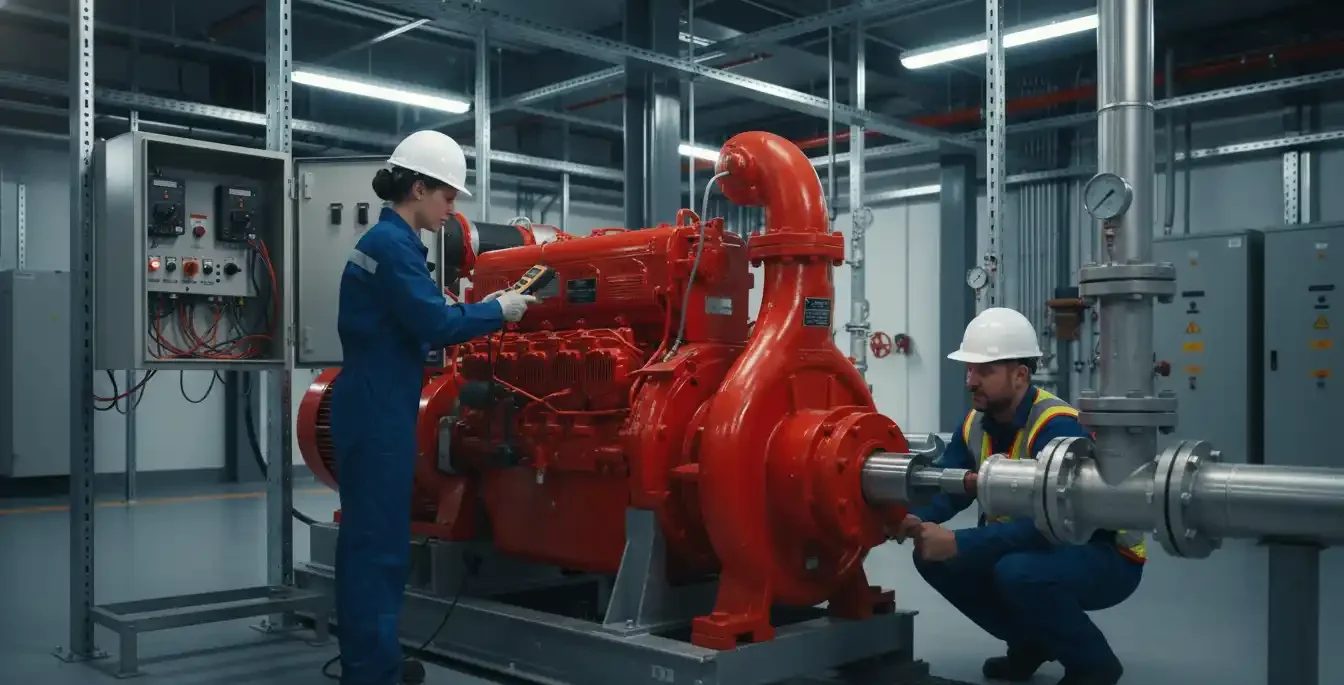
The heart of the entire network is the pump room, typically located in the basement. A standard configuration includes a primary electric pump, a diesel backup pump in case of power failure, and a jockey pump. The jockey pump is crucial as it maintains constant pressure within the pipe network, compensating for minor leaks and temperature fluctuations without unnecessarily triggering the massive main pumps.
Standpipes and Landing Valves
Standpipes are the heavy duty vertical pipes that carry water upwards through the core of the building. At each floor level, these standpipes connect to landing valves housed inside highly visible red cabinets. These cabinets also contain heavy duty synthetic hoses and specialized branch pipe nozzles designed to give emergency responders maximum control over the water flow.
Strategic Installation and Engineering Standards
The physical installation of these massive safety networks requires incredible precision. A single weak joint or incorrectly calibrated pressure reducing valve can cause the entire system to fail catastrophically when it is needed most. This is why securing top tier fire hydrant installation services for commercial towers in Madhapur has become a major priority for developers creating next generation office spaces.
Proper installation involves sophisticated hydraulic calculations. Engineers must determine the exact friction loss that occurs as water travels up hundreds of meters of steel piping. As commercial hubs expand beyond the central city into areas like Dilsukhnagar and LB Nagar, developers are adopting these rigorous engineering practices to ensure their new properties meet international safety criteria.
Practical Implementation Tips for Developers:
- Always utilize seamless heavy grade steel pipes to prevent bursting under extreme emergency pressure loads.
- Install pressure restricting valves on lower floors to ensure that water pressure remains balanced and does not become dangerously high for operators.
- Ensure that the underground static water tank designated for fire fighting is completely separate from the domestic water supply to guarantee water availability.
Navigating Regulatory Compliance and Building Codes
In Telangana, commercial and residential structures exceeding 15 meters in height are strictly classified as high-rise buildings. The local government mandates comprehensive safety measures guided by the Bureau of Indian Standards and the National Building Code. Failure to adhere to these stringent laws will result in the immediate denial of an occupancy certificate.
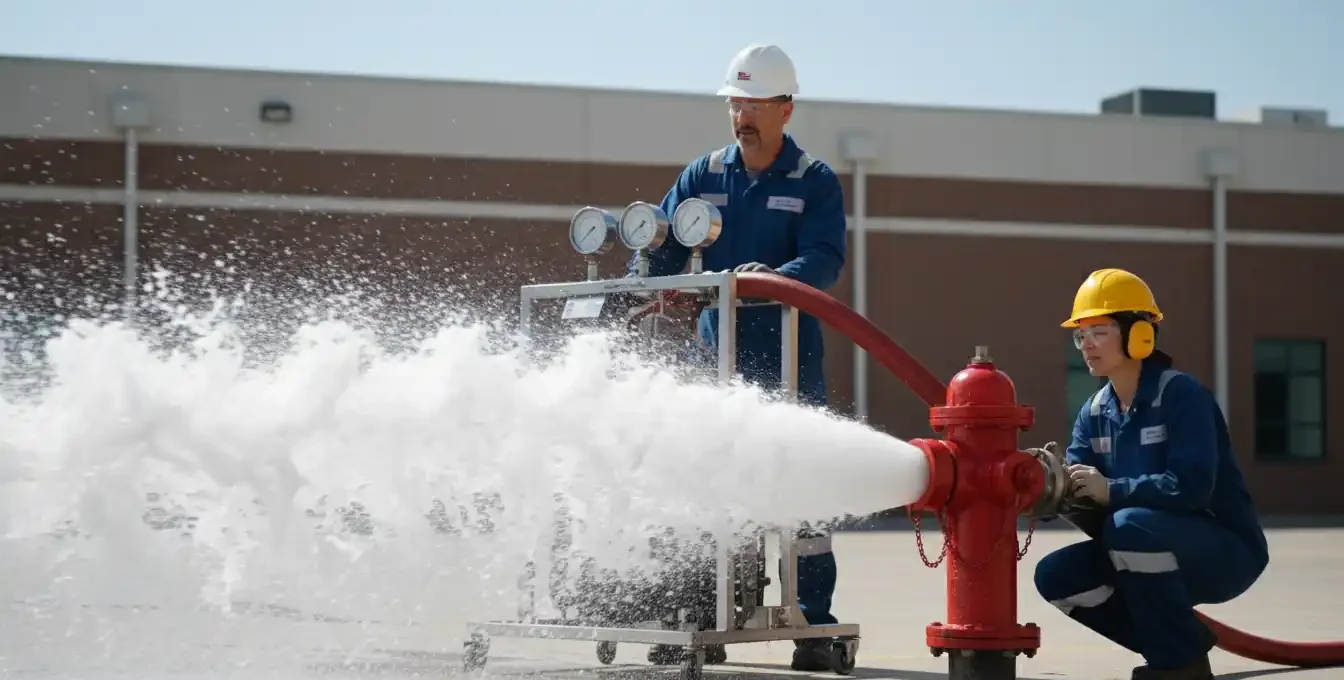
To legally open a skyscraper for public or private use, developers must clear rigorous inspections to acquire fire & safety permissions from the state disaster response department. These inspections test the flow rate, the structural integrity of the piping, the automatic activation of the diesel pumps, and the clarity of safety signage on every single floor.
Essential Maintenance Protocols for Long-Term Reliability
Installing world class infrastructure is only the first step of building management. A hydrant system that sits idle for five years without inspection will likely fail during a crisis due to internal corrosion, seized valves, or degraded pump seals. Continuous lifecycle management is non negotiable.
To mitigate these risks, proactive facility managers regularly engage emergency fire protection system maintenance experts in Gachibowli to conduct comprehensive flow tests. These audits ensure the jockey pumps are correctly maintaining baseline pressure and that the main diesel engines start automatically within seconds of a pressure drop.
Additionally, visual inspections should be conducted weekly. Property staff should verify that all landing valve cabinets are accessible, the glass is unbroken, and the synthetic hoses are free from dry rot. This proactive approach should also be applied to portable safety devices, necessitating regular coordination with Fire Extinguishers Services to ensure smaller localized hazards can be managed immediately.
Industrial Scale Piping and Tech Park Safety
The requirements shift dramatically when dealing with sprawling technology campuses and industrial zones. These massive footprints require thousands of meters of interconnected underground ring mains feeding dozens of external yard hydrants. Complex zones demand contractors who understand both vertical high-rise challenges and sprawling horizontal layouts.
For these specialized environments, large corporations consistently rely on experienced industrial fire network piping contractors near Hitech City. These contractors specialize in integrating intelligent alarm panels with massive hydraulic networks, ensuring that if a fire is detected in a remote server building, the centralized pumps activate instantly to supply the exact zone in danger without draining resources from safe areas.
Frequently Asked Questions
What is the difference between a wet riser and a dry riser system?
How often should a high-rise fire hydrant system be professionally inspected?
Why does a fire hydrant system need a dedicated jockey pump?
Can domestic water tanks be used to supply the fire fighting network?
Conclusion and Next Steps
Safeguarding a towering architectural asset requires a deep commitment to engineering excellence and proactive hazard management. As our urban centers grow taller and more densely populated, the reliance on automated internal safety mechanisms becomes absolute. A meticulously designed water distribution network acts as an unyielding shield, buying precious time for safe evacuation and drastically reducing the potential for devastating structural collapse.
Whether you are in the planning phase of a new development or looking to upgrade a legacy structure, securing professional fire & safety Services is the ultimate key to operational peace of mind. Prioritizing rigorous maintenance, adhering to strict municipal codes, and partnering with verified local experts ensures that your property remains a secure, legally compliant environment for all occupants.
Secure Your Business with Professional Fire Safety Solutions
Are you unsure if your commercial building has the correct fire extinguishers? Ensure absolute safety and zero compliance issues with Divagni. We provide end-to-end fire safety equipment installation, maintenance, and NOC permission services across Hyderabad and Telangana.
- 🏢 Company: Divagni
- 📍 Location: LB Nagar, Hyderabad (Serving all of Hyderabad & Telangana)
- 📞 Phone: +91 98853 43437
- ✉️ Email: info@divagni.in