Fire emergencies strike without warning, leaving devastating consequences for unprepared businesses and property owners. When a blaze breaks out, knowing how to react instantly is your absolute best defense. However, using the wrong extinguishing method can actually make a fire significantly worse, endangering lives and property. For commercial property owners, factory managers, and apartment associations, fully understanding the different classes of fire in Hyderabad is not just a legal compliance requirement it is a vital life saving measure.
At Divagni, we believe that education is the first line of defense. In this comprehensive guide, we will break down the five specific categories of fires and detail exactly how to extinguish them safely using the correct methods. By learning these fundamentals, you can protect your investments and ensure the safety of everyone inside your building.
Why Fire Classification Matters for Your Safety
Every fire requires three elements to ignite and sustain itself heat, fuel, and oxygen. This is widely known as the fire triangle. Because the fuel source dictates how a fire behaves, safety experts categorize fires based on what exactly is burning. Pouring water on a grease fire or an electrical fire is incredibly dangerous and can cause explosions or fatal electric shocks. Therefore, matching the right suppression method to the correct classification is paramount.
With rapid urban development and infrastructure growth happening across the region, relying on premium Fire Safety Products is essential. Whether you manage a retail space or a large manufacturing unit, having the correct fire safety equipment Hyderabad experts recommend will keep your premises secure.
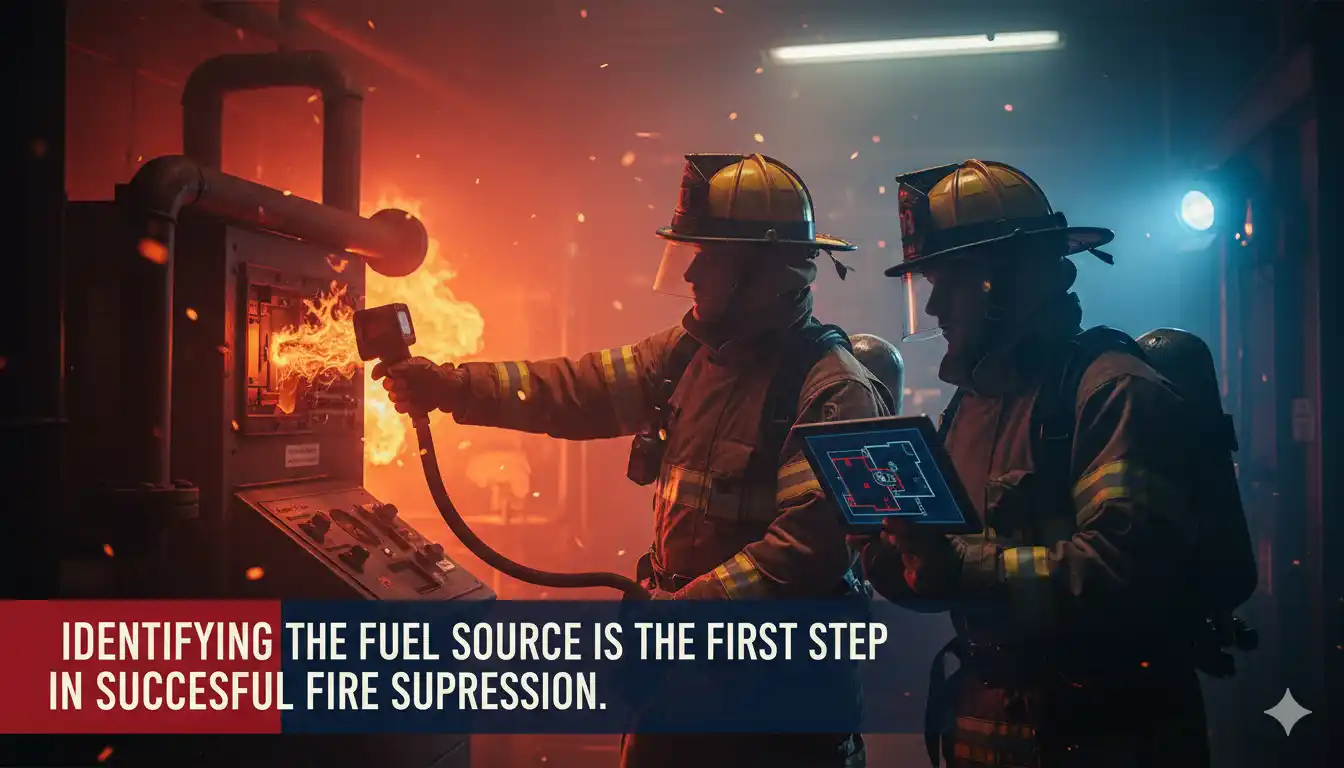
Class A Fires Ordinary Combustibles
Class A fires are the most common type of fire you might encounter. They involve ordinary solid combustibles such as wood, paper, cloth, trash, and plastics. These fires typically leave behind ashes after they burn.
Where Do They Occur?
These fires are highly prevalent in office buildings, schools, and residential apartments. For instance, a paper waste bin catching fire in a corporate office in Madhapur or Hitech City is a classic example of a Class A emergency.
How to Put Them Out
The most effective way to extinguish a Class A fire is by removing the heat element. You can achieve this using
- Water fire extinguishers
- Foam fire extinguishers
- ABC Dry Chemical extinguishers
It is crucial to saturate the material completely to prevent the embers from reigniting after the flames disappear.
Class B Fires Flammable Liquids and Gases
Class B fires involve flammable liquids and gases. This includes petroleum paint thinners solvents propane and butane. Unlike solid combustibles these liquid and gas fires spread incredibly fast and require immediate specialized attention.
Where Do They Occur?
These hazards are commonly found in manufacturing plants petrol stations and chemical storage facilities. Factory managers seeking robust industrial fire protection Secunderabad must be fully equipped to handle Class B risks.
How to Put Them Out
Never use water on a Class B fire. Water will simply spread the burning liquid over a larger area. Instead you must smother the flames to cut off the oxygen supply using
- Carbon Dioxide CO2 extinguishers
- Foam extinguishers
- Dry Chemical powder extinguishers
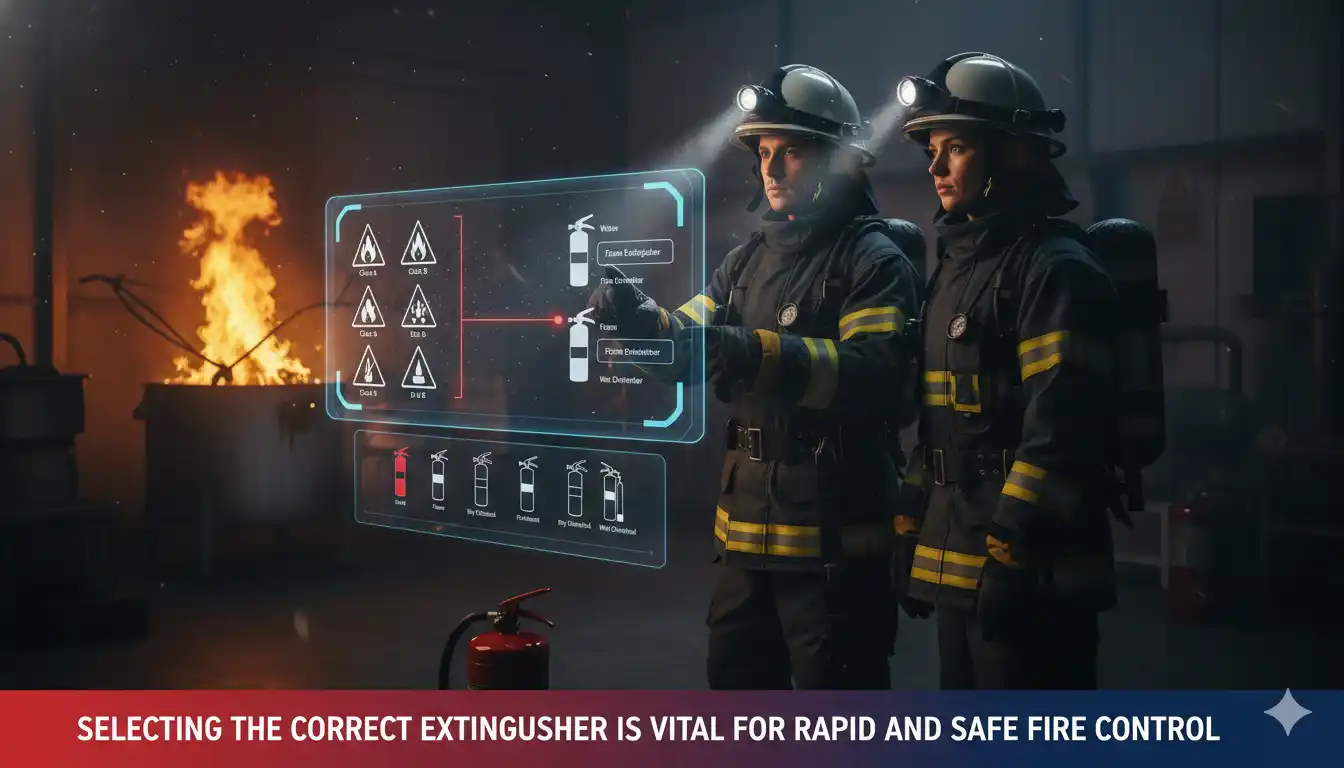
Class C Fires Electrical Equipment
Class C fires involve energized electrical equipment. This includes short circuiting wiring overloaded server racks faulty machinery and broken appliances. As long as the equipment is plugged into a power source it remains a dangerous Class C hazard.
Where Do They Occur?
Electrical fires are a massive risk for IT hubs data centers and corporate offices in areas like Gachibowli and Kukatpally. Even a single overloaded socket can spark a devastating blaze.
How to Put Them Out
Water conducts electricity. Using water on a Class C fire will result in severe electric shock to the operator. To safely fight these fires you must use non conductive suppression agents. First attempt to cut the power source if it is safe to do so. Then use
- Carbon Dioxide CO2 extinguishers
- Clean Agent extinguishers
- Dry Chemical extinguishers
Class D Fires Combustible Metals
Class D fires involve combustible metals such as magnesium aluminum titanium and sodium. These fires burn at incredibly high temperatures and are notoriously difficult to extinguish.
Where Do They Occur?
These specialized fires primarily occur in heavy industrial zones laboratories and manufacturing factories situated near LB Nagar and surrounding industrial estates.
How to Put Them Out
Standard extinguishing agents like water or foam will cause a violent chemical reaction and explosion when applied to burning metals. You must strictly use
- Dry Powder fire extinguishers specifically designed for Class D hazards
The powder works by separating the fuel from the oxygen and absorbing the massive heat output.
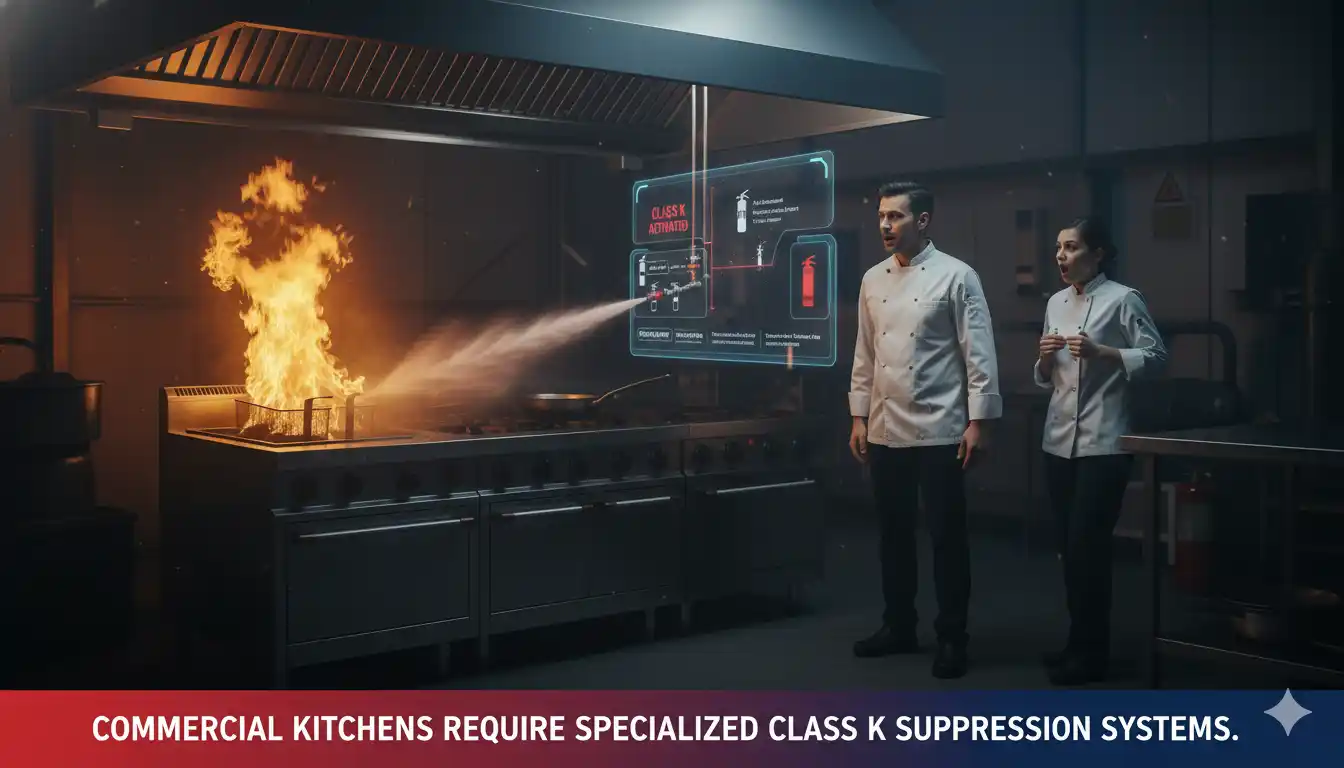
Class K Fires Cooking Oils and Fats
Class K fires involve cooking media such as animal fats vegetable oils and grease. Because these cooking oils burn at exceptionally high temperatures they require a specific approach to suppress.
Where Do They Occur?
These fires are the leading cause of property damage in commercial kitchens restaurants food trucks and bakeries found in bustling food hubs like Dilsukhnagar.
How to Put Them Out
Throwing water on a grease fire causes the oil to splatter violently spreading the fire instantly across the kitchen. You must use
- Wet Chemical fire extinguishers
Wet chemical agents create a soapy foam layer over the burning oil which simultaneously cools the liquid and seals off the oxygen preventing reignition.
Expert Insights on Fire Safety Compliance
Understanding the different types of fire extinguishers is only one part of the equation. To truly safeguard your commercial property you must adhere to strict regulatory guidelines. According to international authorities like the National Fire Protection Association and the Occupational Safety and Health Administration regular inspections and proper equipment placement are mandatory.
Local authorities in the region also require commercial entities to obtain proper documentation. Divagni can guide you seamlessly through securing all necessary Fire Safety Permissions ensuring your business remains compliant and operational without any legal setbacks. By partnering with leading professionals for fire safety services Telangana business owners can focus on growth while leaving risk management to the certified experts.
Practical safety implementation tips for business owners include
- Conducting monthly visual inspections of all fire extinguishers on the premises.
- Scheduling annual professional maintenance through certified Fire Safety Services.
- Ensuring all staff members undergo basic fire response training.
- Clearly marking all emergency exits and keeping pathways entirely clear of obstacles.
Frequently Asked Questions (FAQs)
What are the 5 classes of fire?
Which fire extinguisher should I use for electrical fires?
Where can I get fire safety equipment installed in Hyderabad?
How often should my fire extinguishers be serviced?
Conclusion and Next Steps
Navigating the complex landscape of the classes of fire in Hyderabad is essential for anyone responsible for building safety and human lives. A fire can escalate from a tiny spark into a totally uncontrollable inferno in mere minutes. By accurately identifying potential hazards and installing the appropriate suppression equipment you drastically minimize the risk of catastrophic property loss.
Do not wait until a disaster strikes to evaluate your emergency preparedness. Ensuring complete compliance with local fire safety protocols protects your business assets your dedicated employees and your peace of mind.
Secure Your Property with Expert Fire Safety Today
Are you fully equipped to handle a sudden fire emergency Partner with Divagni for comprehensive safety audits premium equipment installations and total compliance management.
- 🏢 Company: Divagni
- 📍 Location: LB Nagar, Hyderabad (Serving all of Hyderabad & Telangana)
- 📞 Phone: +91 98853 43437
- ✉️ Email: info@divagni.in